


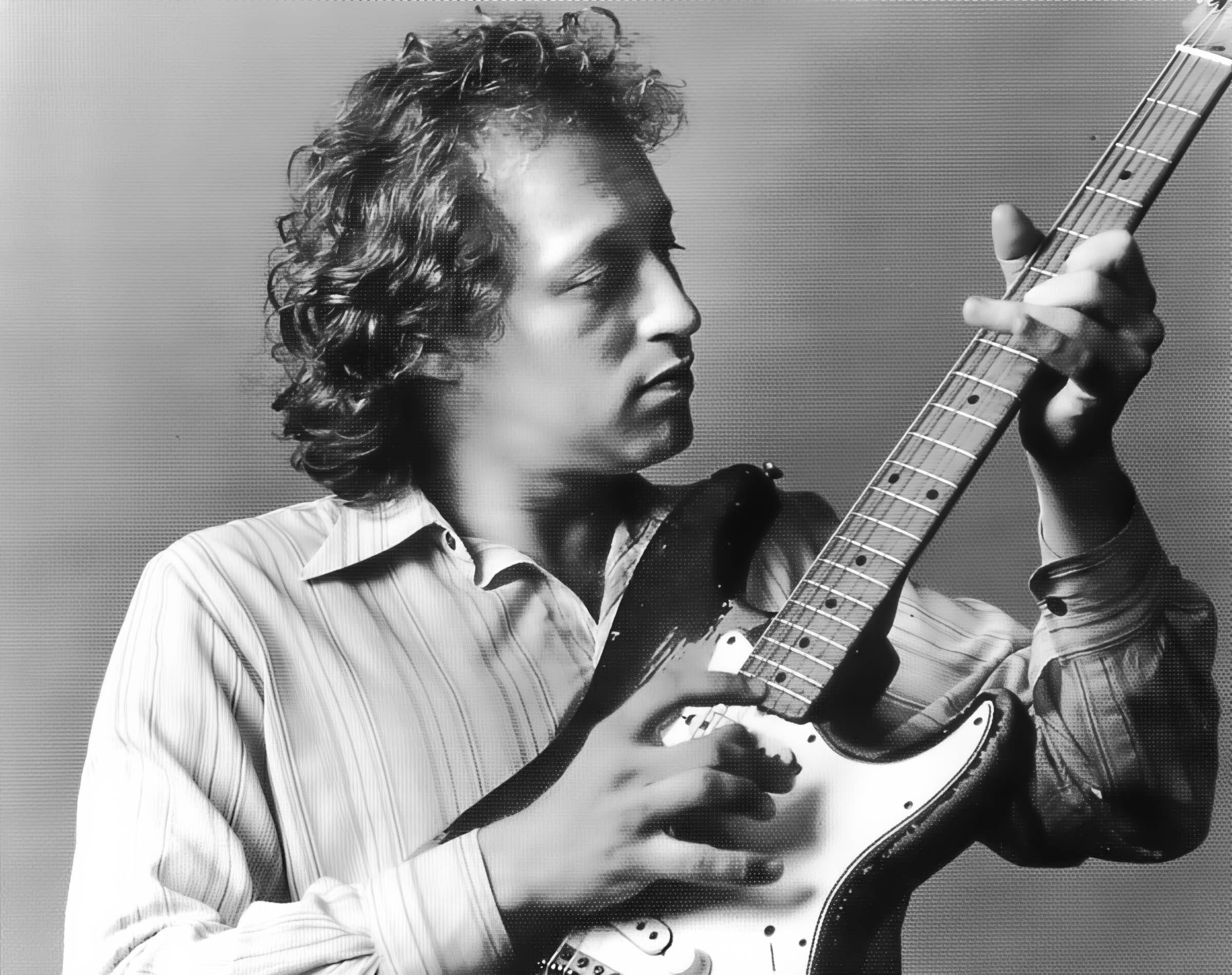
(Wilcox in the 80s.)
Every time I played the El Mocambo in the 80s’ with drummer Billy Reed, I’d hear road stories about his adventures with David Wilcox. David was like a stage neighbour—another musician who played the circuit, but with greater frequency. Many of us circled the local club scene, where there were plenty of opportunities to earn a dollar here and there without renting a van, booking hotel rooms, or spending much time away from home. David was a true road warrior.
Bill King: You’re a guy who is always on the road.
David Wilcox: A lot, but not as much as I used to be. I used to be on the road forty-eight weeks a year. I’ve cut back slightly. I just got back from Vancouver and Edmonton, and had a pretty good time.
BK: What was your first road gig?
DW: Ian and Sylvia. I was around twenty-one years old, and it was a fantastic life experience. One week, I was a suburban kid—not very good in school, not a very good athlete—and the next week, I was flying to Washington, meeting Waylon Jennings, and playing in a band I idolized while trying to step into Amos Garrett’s shoes, which was daunting.
BK: Who decided you were the right person for the gig?
DW: I heard they needed a guitar player because Amos was leaving. I knew there was almost no chance of getting the job—I wasn’t even in the union—but I couldn’t resist trying. I realized by that point in life, and you know this yourself, that if there’s a door and you don’t walk through it, you’ll never know what might have happened.
What were they going to tell me? That I couldn’t do it? Well, that’s okay.
I managed to get Ian’s phone number from somebody and talked my way into an audition. Ian didn’t really want to give me one because he asked, “What have you done?” and I answered, “Not much.”
Bless his heart, he let me come over and sit down with him and his steel player, and somehow, I got the gig. When I joined Ian and Sylvia, I was playing what they called country rock, but there was always a lot of blues in what I did.
BK: Were you playing a Telecaster then?
DW: I was, but I barely knew how to turn on the amp. I was really an acoustic player. I picked up a Telecaster on a whim from a guy whose pawn ticket was about to expire. I bought it more out of curiosity than anything else.
BK: Do you still have it?
DW: No, but I have a really good one now. The pickups on that original guitar were dying, and I didn’t know it. I was playing this thing with a thin tone. I don’t know how I kept the gig, but I did.
BK: It was always a thing with my guitar-playing friends. They’d head down to Nashville and search out classic Telecasters. Did you ever do anything like that?
DW: I call myself a plumber in the sense that I have some wonderful instruments, but most of them aren’t vintage. At this point in my career, I could have a ‘52 Telecaster if I wanted one, but mine is a 1978 model. I bought it new, and it sounds excellent—big, fat, and plays beautifully.
BK: Did you set it up yourself?
DW: No, no, no.
BK: But you had it adjusted for your touch and for what you expected from it.
DW: Very much so. I’ve had it rewired to my specifications. It’s the most versatile-sounding guitar I’ve ever played.
After years of people experimenting on my behalf—”Put this pickup in and see what happens”—I finally arrived at what I think is the best design. I’ve had it for years now. I maintain it’s the best guitar for a singer. It has one tone knob and one volume knob, and the wiring is so simple that if it’s not loud enough, you know exactly where to go in a split second.
BK: Who were the guitar players who shaped your playing early on?
DW: Scotty Moore with Elvis, obviously. Buddy Holly. Chet Atkins. People like that. Then I got into roots music, and Robert Johnson became my number one influence and probably still is. He never plays an extra note, and it’s so deep.
On electric guitar, James Burton on The Ricky Nelson Show and later with Elvis was huge for me.
BK: After working with Anne Murray, you decided to go out on your own?
DW: Well, I only did a couple of songs with her—maybe four. I was also on Ian Tyson’s television show, Nashville North. It was Ian and Sylvia’s show, and they co-hosted for a few episodes. Bobby Bare, Ray Price, and Charlie Rich—people like that—were guests.
BK: But you wanted to be David Wilcox.
DW: I decided to give it a try. I had a bunch of ideas that I couldn’t really pursue in someone else’s band. I figured that if I fronted my own band, I could sing more, improve my singing, take more guitar solos, and become a better player.
I thought it would make me a better sideman. I never imagined it would actually work. Now it’s forty-something years later.
BK: You began the journey pared down and simple.
DW: Absolutely. Most importantly, it made us flexible. If seven people are improvising, there are bound to be train wrecks. When three people improvise, you can usually find each other somehow.
BK: Your first recorded release came out in 1980.
DW: It was recorded in 1978, but nobody wanted it. Disco was king then.
BK: Didn’t you attract those guitar-watchers who wanted to compare players?
DW: Sure. People would come up and say, “He’s not as good as Frankie Moreno.” They’d rank you against their favourite guitarist. That was fine. I’m still here.
When you stop competing and just become yourself, it’s a lot more fun. I feel much freer being me. I’ll never be James Burton or Albert Lee, and I’ll never do what they do. But I do what I do.
BK: That’s liberating.
DW: It really is.
When I was signed to a major label, they’d come up with terrifying ideas. They’d tell me I should overdub chickadee samples onto tracks or start wearing purple clothes and become obsessed with some image.
If you fought those ideas, their egos got involved, and they had to win. But if you said, “Let me think about it,” a week later, they’d be focused on someone else.
BK: You figured something out. You created a unique stage show.
DW: It started with me wearing a handlebar moustache, a carnation, long hair, and an elaborate mourning suit.
With the help of my ex-wife, who produced some of my records, we developed the image because we wanted people to remember me. There were no records and no radio play. There was just this guy out there with a television exploding on his head.
I needed something people would remember. That was my little hook. I even did some comedy—or at least I thought it was funny.
I remember the night everything changed. My first record had come out, and I was playing a bar in a small Ontario town. The place was packed, and to me, that was a bad sign. Usually, it meant it was their local watering hole, and there could be trouble.
But they knew the words to the songs. Imagine that. I was on the radio.
That was the night things turned around.
Before that, I wrote songs like “Do the Bearcat.” If you missed the beginning and middle, you’d still know the ending: “Do the Bearcat.” It wasn’t exactly Romeo and Juliet or Macbeth.
After that, I started writing songs with a sequence, a story, a narrative.
BK: You rehearsed in a hotel room for the Guitar Heroes Live concert and recording?
DW: Actually, we rehearsed in a bar. One rehearsal, about two hours long, and then we did the show.
I hadn’t realized James Burton and Albert Lee had played together before, so I was walking in blind. I’d played with Amos before and had known him over the years, but I met the other two that day.
I was concerned because Albert can play incredibly fast, and I don’t play fast. It’s just not my strength.
BK: The real test on a recording like that comes when players who are normally frontmen have to step back into the role of accompanist.
DW: I was impressed by how well we stayed out of each other’s way. Everyone was courteous.
To me, these were internationally famous musicians, yet they were very humble.
BK: The rhythm section?
DW: Albert Lee’s band.
BK: Did you ever go south in search of the roots of Americana music?
DW: Not really. I went there a bit with Ian and Sylvia. I did The Johnny Cash Show in Nashville. But I never went looking for it geographically. I did try to move to New Orleans once.
BK: What happened? Too hot?
DW: No. Money.
It was the most broke I’d ever been in another city. My ex-wife and I had a room and, I think, half a grapefruit to eat in twenty-four hours.
In retrospect, it was magical, but I wouldn’t want to do it again.
I got a taste of the city’s magic. New Orleans taught me that I don’t have to live somewhere to absorb its spirit and attitude. I can be anywhere I want right now—even here.
I’m not the best songwriter or singer in the world.
But I’m the best me.
He's still playing. Gigs are better and pay well.
Where is David now?